Most advice out there focuses on what happens during and after surgery. The weeks leading up to it? Barely mentioned, if at all. But honestly, a lot of what determines how smoothly the whole thing goes happens way before you ever sit in that chair. If you're gearing up for the best hair transplant in Yelahanka, this is really the groundwork worth taking seriously in the days and weeks before your actual surgery date.
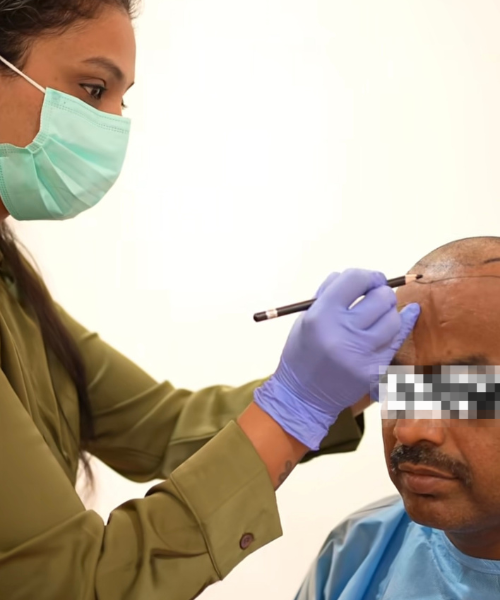
Start With a Consultation That Actually Feels Thorough
Preparation genuinely begins here — a proper scalp exam, an honest conversation about donor density, realistic expectations set before anything's even booked. If this stage felt rushed, or a bit vague, that's worth going back and addressing before moving forward. Everything after this builds on how accurate that first read actually was.
Cut Back on Smoking a Few Weeks Out, If You Can
Smoking restricts blood flow, and blood flow is exactly what transplanted grafts need to survive and settle into their new spot. Most clinics recommend stopping, or at least cutting way back, two to four weeks before surgery, and staying off it through the initial healing window afterward too. Even a temporary pause makes a real difference here — this isn't one of those "every little bit helps, maybe" things, it's measurable.
Ease Off Alcohol in the Days Right Before
Alcohol thins the blood a bit and can mess with anesthesia and healing. Most clinics ask patients to skip it for at least a week before, sometimes longer. Small ask, honestly, relative to how much smoother it tends to make the actual day go.
Tell the Clinic About Every Medication and Supplement You're Taking
Blood thinners especially, but also things people don't think twice about — fish oil, vitamin E, certain supplements — can bump up bleeding risk during surgery. Don't adjust any of this on your own. Just hand the clinic your full list ahead of time and let them tell you what needs pausing and when.
Get Bloodwork Done Early, Not the Week Of
If the clinic's suggested checking thyroid levels, iron, anything like that based on your history, get it done with enough lead time to actually review the results before surgery day arrives. Finding something off a week before is a lot more stressful than finding it out a month before.
Plan Your Time Off a Little More Generously Than You Think You Need
Most people need a few days away from work, and honestly, some flexibility around visible healing for the following two weeks or so. A hair transplant in Yelahanka involves a short but genuinely real recovery window — plan for that generously, not optimistically, so you're not stressed about heading back to work with scabbing or redness still showing.
Line Up a Ride Home
Depending on the anesthesia and sedation used, you probably won't be in any state to drive yourself afterward. Sort this out ahead of time. Don't leave it as a same-day scramble.
Check on Haircut Timing Before You Go In
Some clinics want donor hair at a specific length for extraction. Worth just asking directly — should you get a trim beforehand, or hold off? Better to check than to show up with the wrong length and complicate things.
Eat Reasonably Well and Stay Hydrated Leading Up to It
No need for some dramatic diet overhaul. Just don't skip meals all week or run purely on convenience food. Decent hydration and decent nutrition genuinely support better healing — nothing fancy required, just consistency.
Set Up Your Recovery Space at Home Before You Even Leave for Surgery
Extra pillows for sleeping elevated, the specific gentle shampoo your clinic recommends, some loose shirts that don't need to go over your head those first few days. Small stuff, sure, but having it ready ahead of time means one less thing to deal with while you're actually recovering.
Mentally Brace Yourself for the Shedding Phase Now
Knowing beforehand that transplanted hair sheds around week three or four — and that it's completely normal — changes everything about how that phase actually feels when it happens. Patients who don't know this going in are, almost universally, the ones who panic the hardest.
Ask About the Follow-Up Schedule Before Surgery Day, Not After
Get a clear sense of how many follow-ups are included and roughly when they'll happen. That way you're not left wondering, mid-recovery, whether something needs checking or if you're just supposed to wait it out.
Clear Your Calendar of Anything Physically Intense
Hold off on scheduling hard workouts, swimming, anything involving heavy sweating or a lot of sun for the first couple weeks post-op. Building this into your calendar ahead of time — instead of trying to squeeze it in and regretting it — makes the whole healing stretch a lot less disruptive.
Why Any of This Actually Matters
None of this replaces the surgeon's skill, obviously. But good prep genuinely cuts down on complications, supports better graft survival, and just makes the whole recovery period feel a lot more manageable. Walking in prepared, instead of figuring it out as you go, tends to be a quiet but real part of what separates a smooth experience from a stressful one.
Perfect U Clinics brings dermatology expertise, advanced hair restoration techniques, and genuinely personalised aftercare together under one roof — helping patients go from that first consultation to a result that actually looks like their own hair.
Address: 2nd Floor, Welcome's Boulevard, 202, 1002/1993, Major Sandeep Unnikrishnan Rd, Yelahanka New Town, Bengaluru, Karnataka 560064